
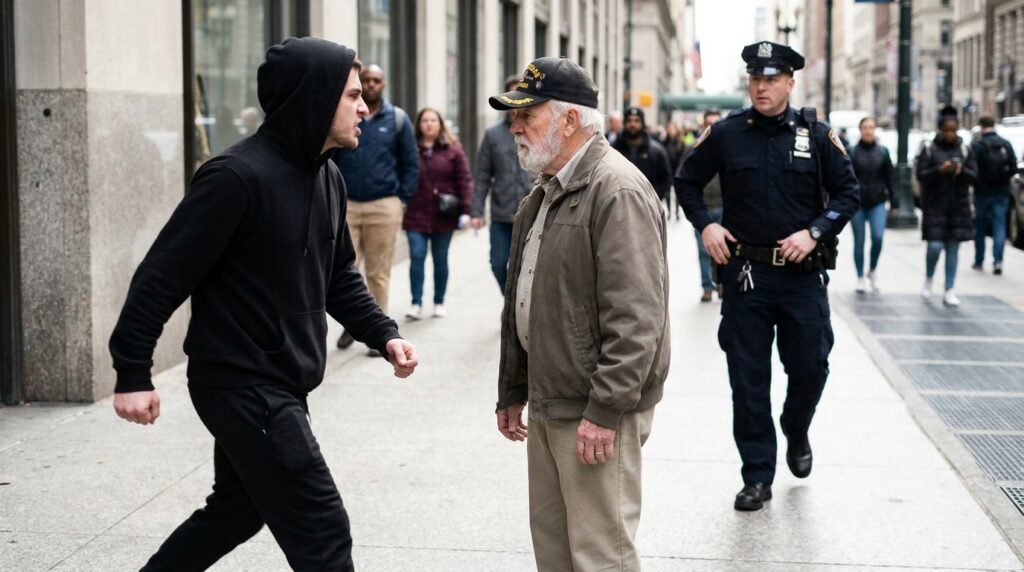
CHAPTER 5: THE REMNANTS IN THE LOCKER
The hinge didn’t snap cleanly. It groaned—a dry, high-pitched screech of over-stressed metal that cut through the low hum of the nearby transformer station. Vance kept his weight centered over the pry-tool, a rusted steel pin he had salvaged from the crane tracks. His leather shoe soles slipped twice on the wet aggregate floor of the abandoned foreman’s shack, but his shoulders remained locked. With a final, wet crunch of decaying pine, the door of the small shipyard locker splintered open, revealing a dark cavity lined with sixty years of river silt and dried grease.
The brass key Miller had shown him through the manila envelope was still sitting inside a file folder at the precinct, but Vance didn’t need the genuine article to clear a rusted latch. A man who spent three decades rebuilding cargo booms knows exactly how much tolerance a generic industrial padlock has before the internal brass pins shear under straight leverage.
He dropped the steel pin. It hit the concrete floor with a heavy, flat clatter that vibrated through the damp soles of his boots. He reached into the dark opening of the locker, his bare fingers brushing against a cold layer of oilcloth that felt thick and slippery, like a dead eel pulled from a net.
There was no ledger inside. The space where the regional development board expected to find the three-quarter logistics manifest was completely empty except for a single, heavy canvas pouch tied with dry hemp twine.
The old man didn’t pull the pouch out into the grey afternoon light immediately. He stood within the narrow frame of the shack’s broken doorway, his ears tracking the rhythmic slap of the river against the rotting timber pilings thirty feet below. The wind had shifted again, bringing the chemical smell of the industrial canal closer, a sharp, metallic tang that tasted like battery acid and wet copper on the back of his tongue.
He untied the twine using his left hand, his thumb working the stiff, salt-encrusted knot until the fiber parted with a dry snap. He tipped the contents into his open palm.
It wasn’t a logbook. It was a collection of heavy, circular steel discs—sixteen of them—strung onto a thick loop of copper telephone wire. They weren’t standard transit tokens from seventy-two. When he held them up to the yellow light leaking from the gantry perimeter, he could see the deep, non-regulation stamping on the metal. Each disc was marked with a three-digit sequence followed by a single, clean cross-hatch—the exact same cross-hatch that was filed into the rim of the zinc washer in his left pocket.
The decoy secret of the shipyard ledger was dead. There had never been a paper manifest left behind in the shipyard archives; the company had cleared the shelves long before the insurance waivers were ever drawn up. These tags were the actual operational markers from the Fort Meade transport detail, the physical receipts used to track the volume of the chemical drums before they were dropped into the deep limestone vaults beneath the turbine shop.
A low creak from the tracking road made him freeze.
It wasn’t the sound of Miller’s boots. This was a slow, heavy compression—the distinct groan of old timber stringers yielding beneath the tires of a heavy vehicle. Vance didn’t slide his hand back into his pocket. He kept his fingers closed around the wire loop of tokens, his head turning four degrees to the left to watch the narrow space between the pump house and the security gate.
A black utility truck had backed up against the wire mesh, its engine idling with a muffled, rhythmic throb that didn’t sound like a standard precinct cruiser. The rear doors were already open, and two figures in dark, heavy oilcloth coats were stepping out onto the aggregate road. They didn’t have flashlights, and they weren’t carrying the standard iron tools of a city inspection team. One of them had a short, heavy bolt cutter tucked under his arm; the other was holding a grey plastic folder that had the distinctive bright blue seal of the state development board stamped across the corner.
They weren’t waiting for the warrants to be unsealed at dawn.
The old man didn’t move toward the back window of the shack. The window was gone, replaced by a sheet of corrugated tin that had been welded into the frame during the strike of eighty-one, leaving no exit path that didn’t involve three feet of rusted iron teeth. He stood completely still in the dark core of the room, his white beard pressed flat against the collar of his casual jacket, his pupils dilated until the dark shapes on the tracking road were as clear as the gold thread on his cap.
“Check the locker row first,” a voice called out from the fence line. It wasn’t the man with the broken jaw from Eleventh Street. This voice was thinner, younger, carrying the flat, administrative cadence of an insurance adjuster or a structural clerk. “Vance hasn’t cleared the clinic gate yet. We have twenty minutes before the evening patrol detail loops back through the canal sector.”
The veteran felt the steel tokens cold against his knuckles. The setup had been complete from the moment the kid in the black hoodie had cut through the pedestrian crowd outside the clinic. The precinct hadn’t taken the iron key to preserve the evidence for a city inspection; they had moved it to the development board’s folder so the private contractors could clear the physical tags before the official EPA survey team could log the contamination site.
He let his right thumb press against the sharp edge of the first disc on the loop. The number stamped into the metal was 403—the designation for the primary storage vault directly beneath the main foundation line of the turbine room. If they took the loop, the limestone vaults would remain just an unmapped empty space on a city registry, an insurance liability that could be paved over with two feet of fresh aggregate and forgotten for another fifty years.
The footsteps were on the gravel path now, the short, sharp scuff of rubber boots cutting through the heavy sound of the rain. Vance didn’t drop his chin. He reached into his left pocket and pulled out the old zinc washer, his thumb tracing the U.S.A.T.C. stamp one last time before he dropped it into the canvas pouch where the tokens had spent thirty winters. He didn’t have a weapon, and his knees were stiff from the dampness of the river, but his spine remained perfectly straight under the weight of his cap.
The man with the bolt cutters reached the door frame, his shadow blocking out the yellow glare of the perimeter security light. He didn’t see the old man standing behind the broken locker door until his left boot struck the steel pin on the floor, the metal clattering against the concrete with a sound that froze both men in the dark.








