
CHAPTER 10: THE ARCHIVAL ENFORCEMENT
The fluorescent tube above Miller’s desk didn’t hum; it rattled with a flat, dry buzz that vibrated straight through the stamped steel legs of his sorting table. A three-inch stack of carbon-copied property records sat between his forearms, the edges of the yellowing pulp frayed and swollen from the basement moisture. His thumbs were grey with the residue of unwashed ink from nineteen-seventy-three, his fingers tracking a missing line in the third-quarter ledger where the emergency street clearances were supposed to be cross-indexed.
The room smelled of old iron safes, wet cement, and the chemical floor-wash the night shift used to clear the aggregate corridors. He didn’t have his slicker on. His blue uniform shirt was dark at the armpits, the leather strap of his shoulder harness creaking every time he leaned forward to flip another leaf of the folder.
Across the grey laminate partition, the desk sergeant didn’t use a pen. He was sliding a small, notched iron rod through the lock cylinder of an obsolete evidence locker, the metal teeth clicking against the internal brass tumblers with a sharp, rhythmic frequency that Vance would have recognized from twenty yards away.
“The Eleventh Street file has a five-day gap in the index,” the sergeant said. His voice didn’t rise above the rattle of the ceiling fan; it stayed low and transactional, carrying the flat cadence of a clerk who had spent twenty winters writing up vehicle tracking logs for the city transport yard. “The housing authority unsealed the Tenth Street frames at sixteen hundred. If the logistics markers aren’t verified on the clipboard before the morning brief, the inspector marks the whole precinct property book as non-compliant.”
Miller didn’t lift his chin. He kept his eyes fixed on a blue ink stamp at the bottom of page forty-six—the signature of a logistics supervisor named Vance whose unit designation had been completely obliterated by a line of heavy black grease-pencil marks.
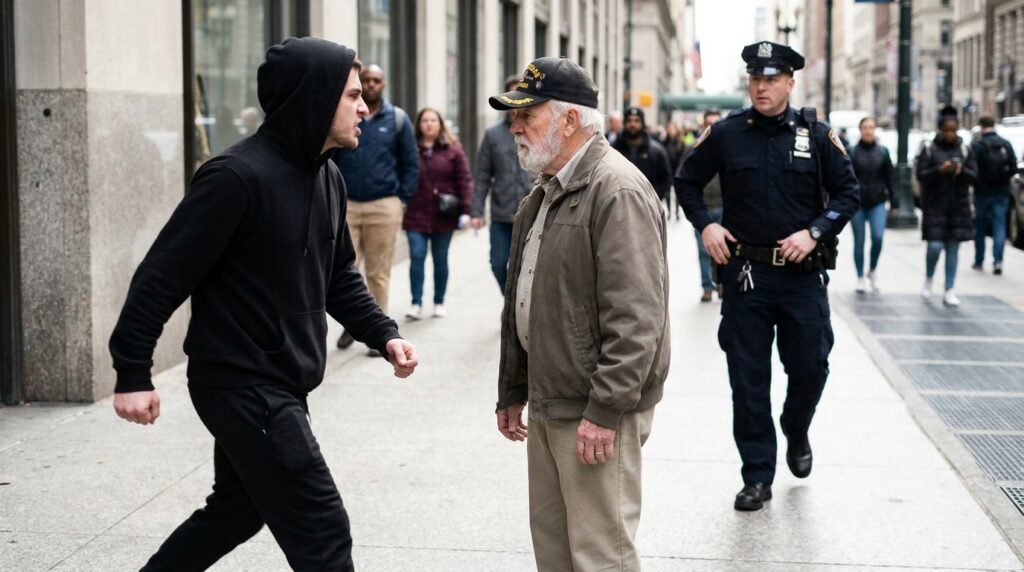
“The old man didn’t have the tags in his coat, Captain,” Miller said, his voice dropping into the low, gravelly baseline he used when the internal affairs recording units were active in the hall. “The kid in the black hoodie only cleared the personal iron. The loop of copper wire from the Fort Meade detachment wasn’t listed on the regional development board’s recovery warrant.”
“The loop was inside the foreman’s shack under the gantry,” the sergeant replied, his iron rod stopping with a solid, heavy thud inside the locker gate. He turned his head three inches, his wet eyes catching the cold reflection of the fluorescent light through his steel-framed spectacles. “The private contractors from the development fund found the splintered pine on the floor three hours ago. Someone had used a crane pin to shear the primary padlock before the state inspection team could set their stakes. The only boots that leave a twelve-inch leather aggregate print in that sector belong to the lodging house tenants on Tenth.”
He dropped the iron rod onto the desk. It hit the laminate with a dead, metallic clatter that vibrated through Miller’s stack of carbon sheets.
“The zoning commission isn’t checking the service caps anymore, Miller,” the captain said softly. “They’re checking the alignment of the fourth tier. The development fund’s black sedan tracked Vance to the industrial canal gate during the afternoon shift change. If he’s still holding the physical tokens for the fourth-tier storage vaults, he’s not just a retired shipyard fusty with a pension claim—he’s an unmapped administrative obstruction under the state land-use covenant.”
Miller reached down to adjust the leather strap of his utility belt, his fingers brushing against the empty space where his manila envelope had sat during the street confrontation. The paper was pulp now, somewhere in a city waste-bin behind the clinic, but the weight of the iron key he had returned to Vance still left a phantom pressure against his thumb.
“The old man said the third tier is soft,” Miller muttered, his face remaining flat, an unreadable slate under the yellowing light. “He said if the construction crews drop the pneumatic spikes through the foundation lines to find the vaults, they’ll hit the main high-pressure intake from the river baseline. The whole western ward will back-flow into the lower precinct sewers before the tide turns.”
The desk sergeant didn’t flinch. He reached into the open drawer of his evidence desk and pulled out a fresh, blue-bordered administrative file folder, the cardstock crisp and dry, untouched by the basement dampness. He laid it flat across Miller’s carbon copies, the bright blue seal of the state development board showing through the clear plastic tracking cover.
“The state doesn’t look at the water lines until the insurance waivers are signed,” the captain said, his mouth flattening into a hard, linear seam that showed the gray edge of his teeth. “The new electronic locks on Tenth Street were paid for by the fund’s logistics office. If Vance can’t enter his frame because his code isn’t on the registry, he doesn’t have an institutional residency claim within the port boundary. He’s just a transient vagrant occupying an unmapped property line.”
He pushed the blue folder two inches forward. Inside the transparent envelope, a printed sheet of modern alphanumeric strings sat clean and sharp—the master codes for every electronic cylinder that had been set into the lodging house frames within the hour.
“Take the utility wagon back to Tenth Street, Miller,” the sergeant said, his cadence returning to that dry, rhythmic click that matched the ceiling fan. “Verify the occupant status at Room 204. If the old man is still on the stairs with his cap in his hand, log him for public vagrancy under the emergency city port code and bring the canvas pouch from his left pocket down to the property room before the morning brief unseals the gate.”
Miller looked at the alphanumeric strings on the paper, then back down at the grey ink on his own fingers. The line between the old shipyard compact and the precinct property book was dissolving under the blue ink stamp of the development board, and the old soldier’s timeline was running out of leaves before the shift could change.








