
CHAPTER 3: THE FOREGROUND OF RUST
The screen door of the neon-dimmed pool hall rattled on its rusted track, letting in a hot gust of exhaust from the street before slamming shut with a flat, metallic clatter. Inside, the air was dense with the sharp tang of cheap chalk, stale tobacco, and the damp odor of water-damaged drywall. Arthur kept his grip firm on the youth’s nylon shoulder, steering him past a row of scarred, green-felt tables where the local regulars sat like statues carved from charcoal.
“In the back,” the boy, Marcus, muttered, his head low, eyes darting to avoid the gaze of the older men leaning over their cues. “That’s where Vance sets up his secondary office when the community center gets audited. He keeps the ledger boxes under the old bar counter.”
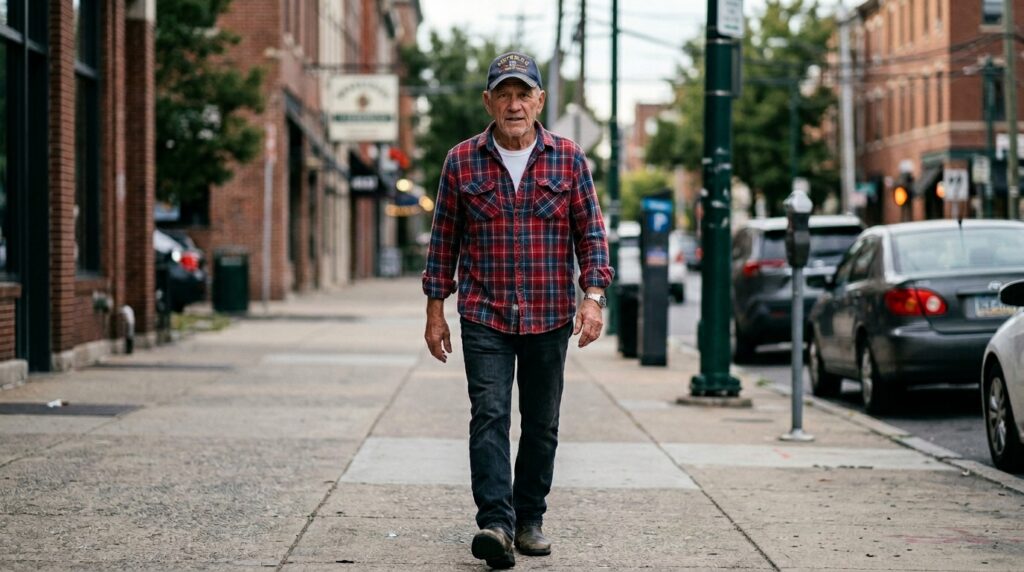
Arthur didn’t answer. His boots made a rhythmic, heavy thud against the buckled linoleum floor, a sound that carried the rigid weight of an infantry march. In his pocket, his thumb continuously traced the split hinge of his brass Zippo, using the rough edge to measure his patience. The room was a landscape of decay—the zinc countertops were corroded at the edges, the iron supporting brackets were flaking with layers of oxidization, and the light fixtures overhead hummed with a low, dying frequency.
He pushed through a heavy plywood door at the rear of the hall, entering a cramped, windowless storage room that smelled intensely of industrial cleaner and dry-rotting paper. Sit-down desks had been improvised from stacked crates of soda bottles, and on top of them sat a battery of old steel lockboxes, their gray enamel scratched down to the bare, dark metal.
“Get the box,” Arthur commanded, releasing his grip on Marcus but remaining close enough to block the only exit.
Marcus didn’t hesitate. The absolute lack of panic or defensive anger in Arthur’s voice had stripped away the boy’s remaining willingness to resist. He scrambled toward the lower shelf of a rusted utility rack, hauling out a heavy, green ledger container secured by a crude brass padlock.
“It’s locked,” Marcus said, pulling at the metal hoop. “Vance has the key on his chain. The one with the gold eagle.”
Arthur reached out, his thick, scarred fingers brushing Marcus aside. He didn’t look for a key. Instead, he gripped the side of a heavy, iron crowbar resting against the wall—a tool caked in dried grease and rust flakes. Slipping the flat edge beneath the lock’s hasp, he leaned his entire body weight into the lever. The physics of the movement were clean and economical; he didn’t strain or curse, he simply applied a lifetime of mechanical leverage. The rusted rivets holding the hasp to the sheet metal gave way with a sharp, echoing CRACK that sounded like a low-caliber pistol shot in the enclosed room.
The lid popped open, exposing stacks of manila folders, printed spreadsheets, and ancient carbon-copy logs from the 4th Street Veterans Home.
Arthur’s hand moved methodically, lifting the top layers of paper. His eyes, trained decades ago to spot wire traps in the dense brush of the Delta, quickly locked onto a pattern of red ink marginalia. They weren’t records of building repairs or recreational funds. They were pension routing receipts. Column after column listed names he knew—men who lived in the single-room occupancies up and down the avenue, men whose bodies were failing them, men who depended on those meager monthly transfers to keep the gas stoves burning.
Next to every third name, a neat, blue-ink stamp read: UNCLAIMED / TRANSFER TO ADMINISTRATIVE DISCRETIONARY FUND.
“He’s taking them,” Arthur murmured, the gravel in his voice dropping an octave, becoming cold as well water. “He’s marking the ones who don’t have family left to check on them. He’s declaring them dead or incompetent on paper and rerouting the checks to his personal accounts.”
“I didn’t know that part, swear to God,” Marcus whispered, backing into the corner of the room, his eyes wide as he watched the old man’s face darken. “He just told us to clean out the storage lockers because the old timers were ‘dead weight’ and wouldn’t miss the personal effects. He said the jewelry and medals were just scrap metal.”
Arthur picked up a ledger sheet, his eyes tracking a specific name at the bottom of the list: Miller, Thomas E. – Benefit Status: Suspended.
The decoy secret—the simple idea that a group of neighborhood kids had been committing casual acts of petty theft in a messy basement—crumbled away entirely under the weight of the paper in his hands. This wasn’t a localized nuisance. This was a calculated, institutional slaughter of dignity, executed by men who wore gold tie bars and smiled for the local newspapers while they bled the neighborhood’s history dry. The silver ring on Marcus’s finger wasn’t a random trophy; it was a casual piece of garbage thrown to a street kid to buy his silence while thousands of dollars were systematically siphoned from the men who had paid for this country in blood.
A sudden sound from the front of the pool hall cut through the silence—the heavy, rhythmic strike of leather shoes on linoleum, followed by the muffled, authoritative murmur of Vance’s voice demanding to know where the old man had gone.
Arthur didn’t look up from the ledger. He slowly folded the paper containing Miller’s name and slipped it into his breast pocket, right behind his veteran cap’s gold-stitched emblem. The absolute reality of the corruption was still locked behind Vance’s corporate network, but the frontline had just been drawn right through the center of this dust-choked room.
“Stay behind me,” Arthur said to Marcus, his hand dropping back into his pocket to grip the cold brass Zippo. “The negotiation is over.”
The storage room door began to swing inward.








