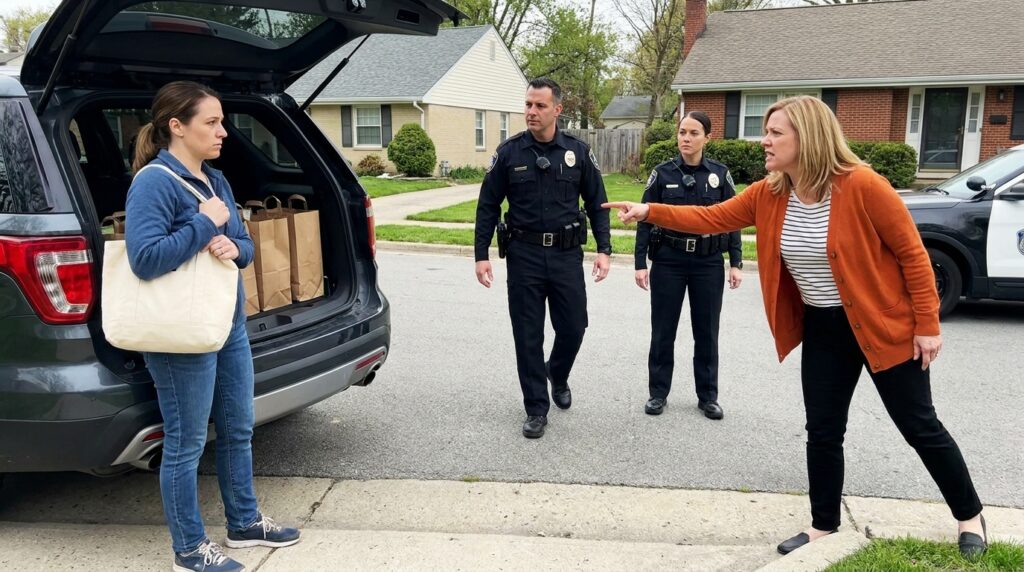
CHAPTER 5: THE DIGITAL REVERSION
The glare from the ancient cathode-ray monitor didn’t match the late afternoon light filtering through the high, wire-mesh windows of the county records annex. It was a flickering, chemical green that made the fine dust on my blue zip jacket look like copper filings. The air inside the terminal room smelled intensely of scorched insulation, old grease pencils, and the ozone tang of a server rack that had been running hot since the county line was drawn.
My finger stayed flat against the mechanical Return key of the terminal. The cracked plastic button resisted with a dry, spring-loaded scrape before registering the command. On-screen, the database directory for Section 4, West Loop Suburban Parcels, began to cascade downward in jerky, jagged rows of green monospace type.
I traced the audit log numbers with the blunt edge of a brass flat-head screwdriver I’d pulled from the annex’s public workbench. The tool’s handle was rough, oil-stained hickory that left a dry scent of machine shop residue on my palm. My other hand kept a hard grip on the cream tote bag, its fraying handle wrapped three times around my knuckles to steady the Tremor in my wrist.
The master file for Lot 4A—Mrs. Gable’s parcel—showed five separate structural updates over the last twenty-four months. Each line item was clean on its surface: routine driveway widening, utility pole clearance, a standard code variance for her boxwood hedge setback. But when I cross-referenced the automated data-entry stamps against the physical logbooks stacked on the steel shelving behind the counter, the digital columns fractured.
The entry for the curb lane restriction—the exact code variance Mrs. Gable had thrown in my face during the downpour—carried a systemic discrepancy. The transaction code was 88-C, matching the slanted grease pencil notation on the old vellum map in my basement. But the transaction hadn’t been processed by the central county engineering desk. The network routing tag linked back to a remote terminal inside the field office of Code Enforcement Officer Arlan.
I tapped the terminal’s housing with the tip of the screwdriver, the hollow plastic ring echoing in the dead quiet of the archives. The timestamp on the confirmation line wasn’t from three weeks ago when the engineering tech allegedly came out to measure the curb. It was dated exactly two hours after my initial confrontation at the SUV hatch—processed forty seconds after Arlan’s cruiser had pulled away from my driveway.
“You aren’t supposed to have that public access code,” a dry voice said from the darkness between the storage racks.
I didn’t let go of the screwdriver. I didn’t turn around quickly, either. In the dusty gray, a sudden movement was an admission of guilt. I kept my eyes on the green screen, watching the cursor blink with a rhythmic, heavy tick that sounded like an old grandfather clock.
Officer Arlan stepped into the light of the terminal bay. He wasn’t in his black uniform now; he wore a faded denim work shirt with grease stains along the cuffs and heavy leather work boots that had left gray cakes of road mud across the linoleum. The department patch with the inverted silver grommet was gone, replaced by a cheap brass nameplate from the county road department pinned crookedly over his pocket. Her husband had been an engineer here before the town layout was revised. Arlan wasn’t just a cop; he was a cousin by marriage to the Gable estate.
“The registry doesn’t lie, Arlan,” I said, my voice flat, hitting the low walls of the archive room without any bounce. “The entry for the restriction was logged from your vehicle’s terminal while you were sitting at the stoplight on Elm. Mrs. Gable didn’t get a variance from the city. You typed it in yourself.”
Arlan didn’t reach for his belt, but his shoulders went square, his large hands dropping into the front pockets of his denim shirt. The dry, chemical smell of the terminal room seemed to focus around his presence, heavy with the scent of unwashed road gear and stale tobacco.
“The town has three thousand parcels and two field workers,” he said, his words coming out in a slow, calculated drawl that carried the unyielding weight of the local bureaucracy. “If we waited for the regional clerk to sign every setback adjustment between two neighbors who can’t share a border, the county road would wash into the reservoir before winter. The family paid for the blacktop maintenance when the county ran out of road tax in ninety-two. They have the equity.”
“They have the code filings,” I corrected, pulling the terminal’s manual override lever down with a sharp, iron-on-iron clink. The green screen flickered twice, then dumped the underlying payment ledger into the secondary window. “And they have the automated deposit logs that show four structural transfers from the Gable family trust to an unlisted holding account registered under an address in the municipal annex. An account with your name on the signature card.”
The silence that followed wasn’t the quiet of an archive; it was the heavy, suffocating pressure of a border wall when the foundations begin to settle into wet clay.
Arlan’s gray eyes didn’t widen, but his jaw line went white where the scars from his years on the county line marked the skin. He took one slow step forward, his thick rubber soles grinding a few stray zinc flakes from the workbench into the gray floor.
“You think that folder changes who owns the space behind the vehicle?” he asked, his voice dropping into a register so low it was nearly lost beneath the hum of the terminal’s cooling fan. “You think the district board care about an annex ledger? If that file gets flagged by the state inspector, the entire loop goes into administrative receivership. The city doesn’t just re-draw the line. They seize the easement from both houses to clear the drainage corridor. You’re trying to save a parking spot, and you’re about to lose the dirt under your kitchen.”
Before I could pull the screwdriver from the display track, the green terminal screen went completely black. The low hum of the cooling fan whined down to a dead stop, leaving the room in the sudden, gray dark of the late afternoon.
From the hallway outside the records room, the heavy iron fire door clicked open, followed by the fast, dry scrape of leather loafers approaching on the unwashed concrete.