Chapter 5: The Warning She Chose to Ignore
Thomas Reed found the letter while searching through archived HOA correspondence.
It was dated fourteen months before the fire.
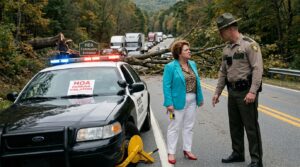
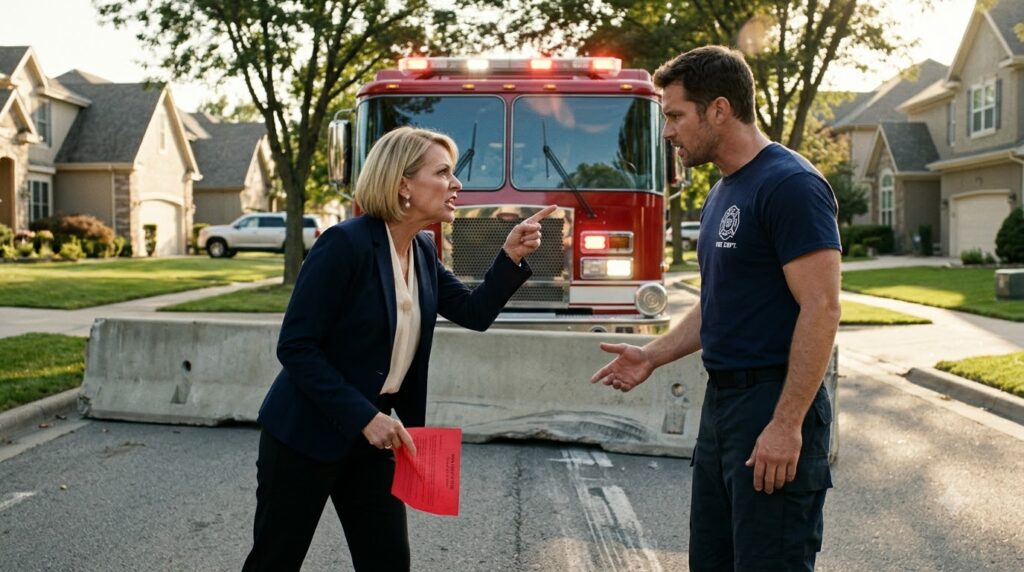
The county fire marshal had received a complaint that Willow Creek’s main entrance was occasionally being narrowed by temporary landscaping equipment and traffic-control objects.
After reviewing the site plan, the office had reminded the HOA that the recorded emergency-access easement prohibited obstructions.
The letter requested written confirmation that the association would keep the route clear.
Margaret had responded personally.
Her reply was short and formal.
She acknowledged the requirement and assured the county that Willow Creek would maintain unobstructed emergency access.
Thomas read the exchange twice.
Then he called Patricia.
The discovery changed the board’s understanding of the situation.
Margaret had not been unaware of the rules.
She had been warned.
She had acknowledged the warning.
And she had later arranged for concrete barriers to be placed near the same entrance.
Patricia immediately forwarded the documents to the association’s attorney.
The attorney advised the board to preserve all records and cooperate with investigators.
The association could face significant liability if its officers had knowingly interfered with emergency access.
For residents, the financial implications were alarming.
Willow Creek was home to 146 households.
Many owners were retirees living on fixed incomes. Others were families who had saved for years to purchase homes in the neighborhood.
A major legal judgment or uninsured expense could result in a special assessment.
People who had done nothing wrong might be forced to pay for Margaret’s decisions.
At an emergency residents’ meeting that evening, the clubhouse was packed.
Some people stood along the back wall.
Others watched through a video connection.
Helen Brooks sat in the front row, still wearing the comfortable cardigan she had put on after returning from the hospital.
She had visited Eleanor that afternoon.
The doctors were cautiously optimistic. Eleanor remained weak, but her breathing had improved, and she was alert enough to recognize visitors.
That news brought visible relief to the room.
Then Thomas explained the barrier purchase.
He described the missing board authorization and the emergency-access easement.
He did not speculate about criminal responsibility.
That was for investigators and the courts.
But he made clear that the board had acted to remove the obstruction and prevent anything similar from happening again.
A resident named George Miller raised his hand.
George was seventy-two, a retired postal worker who had lived in Willow Creek for eighteen years.
He spoke slowly.
“Last winter, Margaret fined me because my grandson parked his work truck in my driveway overnight.”
Several people nodded.
George continued.
His grandson had driven from Tennessee to help repair the roof after a storm. The truck was there for less than twenty-four hours.
Margaret had issued a $250 violation.
George had appealed.
The appeal was denied.
“I paid because I didn’t want trouble,” he said. “But I never thought the rules were supposed to work like that.”
Other residents began describing similar experiences.
A widow had been fined for leaving a medical transport van outside her house during an appointment.
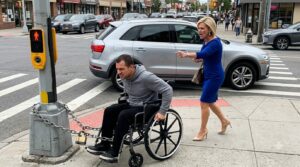
A family had received warnings because their adult son, a disabled veteran, occasionally parked a modified vehicle near the front entrance.
A contractor had been threatened with towing while repairing a burst water pipe.
The stories were different, but the pattern was familiar.
Margaret had treated ordinary needs as personal challenges to her authority.
Susan Delgado listened carefully.
As a former principal, she understood the difference between maintaining standards and humiliating people.
Rules could protect a community.
They could also become weapons when enforced without judgment.
The board agreed to conduct an independent review of disputed fines issued during Margaret’s presidency.
Any improperly assessed charges would be refunded where appropriate.
Residents were invited to submit documentation.
The meeting lasted nearly three hours.
By the end, the anger in the room had shifted.
People were still furious about the fire truck.
But they were beginning to recognize that the incident had exposed a much larger problem.
For years, neighbors had quietly accepted treatment they considered unfair because they believed challenging the HOA would only make their lives harder.
Now they were speaking openly.
Meanwhile, Margaret remained at home with her curtains closed.
Reporters had knocked on her door.
Her telephone rang constantly.
Several longtime friends had sent messages expressing concern, but others were asking questions she did not want to answer.
She had received formal notice that the board intended to seek her removal from office.
She also knew police investigators wanted another interview.
Late that night, Margaret opened the folder where she kept her HOA records.
She found the fire marshal’s warning letter.
She remembered receiving it.
She remembered being irritated by what she considered interference from county officials.
At the time, she had told herself that the county did not understand the needs of an upscale private community.
Now she looked at her own signature beneath the acknowledgment.
For the first time, she saw it not as a meaningless administrative formality but as proof that she had been told exactly what she was forbidden to do.
Then her phone lit up.
It was a message from her mother’s neighbor, Helen.
Eleanor wanted to see her.
But she had one condition.
Margaret needed to come without excuses.