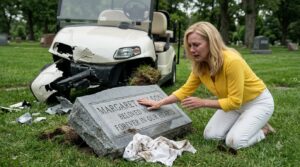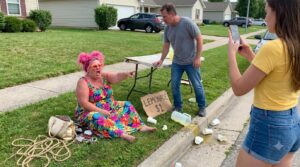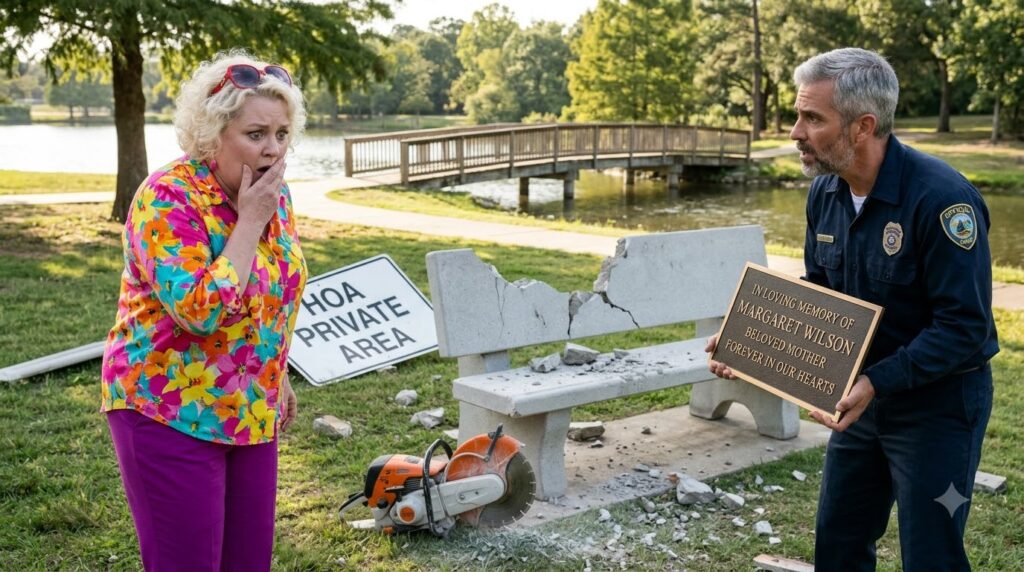
Chapter 4: The Letter in the Blue Folder
Karen held the envelope for nearly ten minutes before opening it.
The paper had yellowed slightly with age.
The seal was still intact.
Her mother had written the letter during the final months of her life, when illness had made even ordinary tasks exhausting.
Karen unfolded the pages carefully.
The letter began with memories.
Margaret described Karen as a little girl who used to rescue injured birds and bring them home in shoeboxes.
She remembered the summer Karen organized a neighborhood lemonade stand to raise money for a family whose house had burned down.
She wrote about Karen’s determination, intelligence, and fierce desire to protect the people she loved.
Karen smiled through gathering tears.
She had forgotten those moments.
Then the letter changed.
Margaret wrote about watching Karen become increasingly concerned with appearances.
She worried that her daughter had begun confusing leadership with control.
She remembered arguments about the park, about neighbors who couldn’t afford expensive landscaping, and about elderly residents who needed help rather than warnings.
Margaret had tried to explain that a good community was not defined by perfect lawns or matching mailboxes.
It was defined by how people treated one another when nobody was watching.
Karen stopped reading.
She looked around the guest bedroom.
The expensive curtains.
The spotless furniture.
The boxes she had never bothered to unpack.
She suddenly remembered her mother’s final Christmas.
Margaret had asked Karen to accompany her to the park.
Karen had refused.
She was preparing for an HOA holiday decorating competition.
She had promised they would go another day.
They never did.
Karen returned to the letter.
Near the end, Margaret had written:
I hope one day you will understand why I loved that old oak tree. It gave shade to anyone who needed it. It never asked who owned the house they came from, how much money they had, or whether their shoes were muddy.
That is the kind of person I always hoped you would become.
The final paragraph was short.
If you ever feel that the world has turned against you, don’t begin by asking who is wrong. Ask whether there is something you need to make right.
I love you, Karen. Nothing will change that.
Karen pressed the letter against her chest.
Then she cried.
Not the controlled tears she had allowed herself at her mother’s funeral.
These were deep, painful sobs that left her struggling for breath.
Richard found her sitting on the floor an hour later.
He didn’t ask questions.
He simply sat beside her.
Eventually, Karen handed him the letter.
He read it quietly.
When he finished, he folded it and returned it to her.
“What do I do now?” she asked.
Richard looked at the boxes.
“Start by telling the truth.”
The next morning, Karen received an official notice from the Willow Creek Parks Department.
The town had opened an investigation into the destruction of public property.
She was instructed not to remove any remaining pieces of the bench.
The department would assess the damage and determine the cost of restoration.
A separate letter came from the HOA board.
Three board members had requested an emergency meeting.
They wanted Karen temporarily removed from her leadership duties while the incident was reviewed.
Karen read both letters at the kitchen table.
Under ordinary circumstances, she would have called an attorney immediately and begun preparing a defense.
She would have challenged the board’s authority.
She would have accused her critics of exaggeration.
Instead, she looked at her mother’s letter.
For the first time, Karen understood that defending her position and defending her actions were not the same thing.
She called Daniel Brooks.
He answered cautiously.
“Mrs. Wilson?”
“I want to repair the bench.”
There was a pause.
“The town will decide how that happens.”
“I understand. I’ll pay for it.”
Daniel remained quiet.
Then he said, “Money isn’t the only issue.”
Karen closed her eyes.
“I know.”
He explained that the original bench had been built by a local craftsman who had since retired.
The bronze plaque could probably be restored.
The wooden pieces, however, were badly damaged.
Some might be salvageable.
Others would need replacement.
And because the bench was a memorial, the town intended to consult the families and residents who had contributed to its dedication.
Karen listened carefully.
When Daniel finished, she asked whether she could attend the next public parks committee meeting.
“You can,” he replied. “But you should know people are very upset.”
Karen looked at the letter in her hand.
“They have a right to be.”
After hanging up, she walked to the front window.
Across the street, a neighbor was helping an elderly woman carry groceries into her house.
Karen recognized the woman.
Her name was Helen Parker.
Six months earlier, Karen had issued Helen an HOA warning because her lawn had grown too tall.
Helen’s husband had been hospitalized at the time.
Karen had known.
She had sent the warning anyway.
For years, Karen had measured her success by how many rules she could enforce.
Now she began to see the people behind those rules.
And she realized that repairing one bench would not repair everything she had broken.