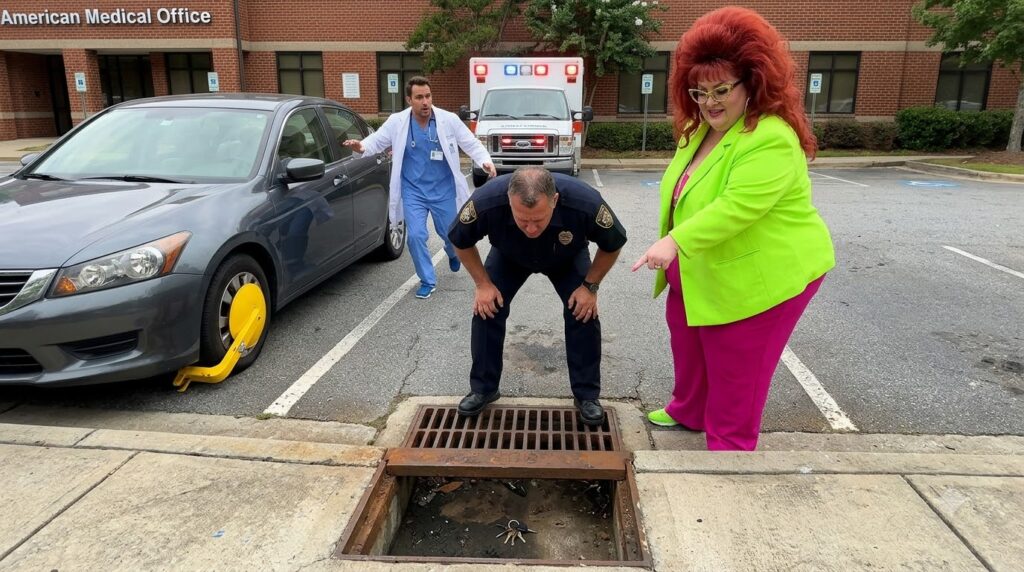
Chapter 4: The Money Nobody Could Explain
The Brookstone Heights HOA board had seven members.
Most were retirees.
They had volunteered because they cared about the neighborhood and wanted to protect the community they had spent decades building.
For years, the association had operated quietly.
It maintained common landscaping, repaired shared walkways, and collected modest annual dues.
Then Margaret Whitcomb became president.
At first, residents welcomed her energy.
She organized cleanup days, negotiated a new landscaping contract, and promised to make Brookstone Heights the most desirable community in the county.
She spoke confidently.
She remembered names.
She attended every meeting.
But over time, her leadership changed.
Board discussions became shorter.
Financial reports became less detailed.
Residents who questioned expenses were accused of undermining the community.
Margaret began making decisions without full board approval.
The treasurer, Harold Jenkins, had grown increasingly uncomfortable.
Harold was seventy, a retired accountant who had spent thirty-eight years reviewing financial statements for a manufacturing company.
He was patient, methodical, and not easily intimidated.
For months, he had noticed inconsistencies in the HOA’s accounts.
Certain deposits were delayed.
Several invoices lacked supporting documentation.
A growing amount of violation-fine revenue appeared in monthly summaries but could not be readily matched to the bank records he had received.
Margaret always had an explanation.
The bookkeeper was behind.
The bank had changed its reporting system.
The management company had misclassified transactions.
Harold wanted to believe her.
But the numbers continued to trouble him.
The morning of the parking-lot incident, he received a copy of a payment authorization that Margaret had approved.
It concerned a private parking-enforcement contractor.
The invoice included equipment rental, administrative services, and an emergency enforcement fee.
The amount was unusually high.
More troubling, the contractor’s listed mailing address matched a business registered to Margaret’s nephew.
Harold checked the vendor file.
The relationship had never been disclosed in the board minutes he possessed.
He called Margaret.
She didn’t answer.
He called again.
Nothing.
Then another board member sent him a video.
It showed Margaret standing beside a doctor’s car, screaming about HOA authority.
The video ended with her throwing keys into a storm drain.
Harold watched it three times.
His stomach tightened.
This was no longer merely a question about bookkeeping.
It was a public incident involving association authority, potential liability, and an emergency medical facility.
He contacted the other board members and requested an emergency meeting.
By late afternoon, five of them had gathered in the clubhouse.
Margaret was absent.
Harold placed several folders on the table.
“I think we have a serious problem.”
The board secretary, Diane Foster, looked exhausted.
“Is this about the parking lot?”
“That’s part of it.”
Harold opened the first folder.
It contained bank statements, payment authorizations, and copies of vendor invoices.
He had spent the afternoon comparing the association’s financial records with documents previously approved by the board.
The discrepancies were substantial.
Over the previous eight months, approximately twenty-eight thousand dollars had been paid to vendors whose work could not yet be verified from the available records.
Another twelve thousand dollars in reported fine collections required reconciliation.
Harold was careful.
He did not accuse Margaret of stealing.
He knew that missing documentation was not the same as proof of theft.
But the board had a responsibility to investigate.
Diane studied the invoices.
“Why didn’t we see these?”
“That’s what I intend to find out.”
Another board member, retired electrician Frank Wallace, pointed to a charge for parking enforcement equipment.
“We never voted to buy wheel clamps.”
Harold nodded.
“No, we didn’t.”
The room grew quiet.
Then Diane asked the question everyone was thinking.
“How much authority have we actually given Margaret?”
Harold looked down at the association bylaws.
“Less than she thinks.”
The board reviewed its governing documents.
The president could preside over meetings, sign properly authorized documents, and perform certain administrative duties.
But she could not unilaterally expand HOA boundaries.
She could not create fines without following the governing documents and applicable procedures.
And she could not spend association funds without the required approvals.
By the end of the meeting, the board had voted to suspend Margaret’s discretionary enforcement activities pending review, revoke her authority to approve new vendor payments, and obtain independent legal and accounting advice.
They also agreed to notify residents that disputed fines would be reviewed.
Harold drafted the notice himself.
He wanted the language to be clear and restrained.
No accusations.
No speculation.
Just facts.
When he finished, Diane handed him another document.
It was a copy of Evelyn Carter’s most recent violation notice.
Harold read it.
Then read it again.
The amount demanded was $4,380.
But the underlying fine schedule did not support several of the charges.
And the notice carried a handwritten warning:
FINAL OPPORTUNITY BEFORE PROPERTY ACTION.
Harold looked up.
“Who authorized this?”
Diane shook her head.
“I’ve never seen it.”
Harold felt a cold weight settle in his chest.
Margaret had been frightening an elderly widow with threats the board had never approved.
And Evelyn was now in a cardiac hospital.
For Harold, the matter had become painfully personal.
His own wife had died three years earlier.
He remembered how vulnerable she had felt during her final illness.
He remembered promising her that their home would always be a place of safety.
Now he wondered how many people in Brookstone Heights had stopped feeling safe in their own homes.
He closed the folder.
“We’re going to review every one of these notices.”
But before the meeting ended, the clubhouse door opened.
Margaret Whitcomb stood in the doorway.
Her red hair was slightly disheveled.
Her neon blazer was wrinkled.
And her expression was furious.
“Who gave you permission to hold a meeting without me?”