CHAPTER 3: THE FORGED LEDGER
The heavy padlock gave way with a dry, mechanical snap that vibrated straight through the brass key into my palm.
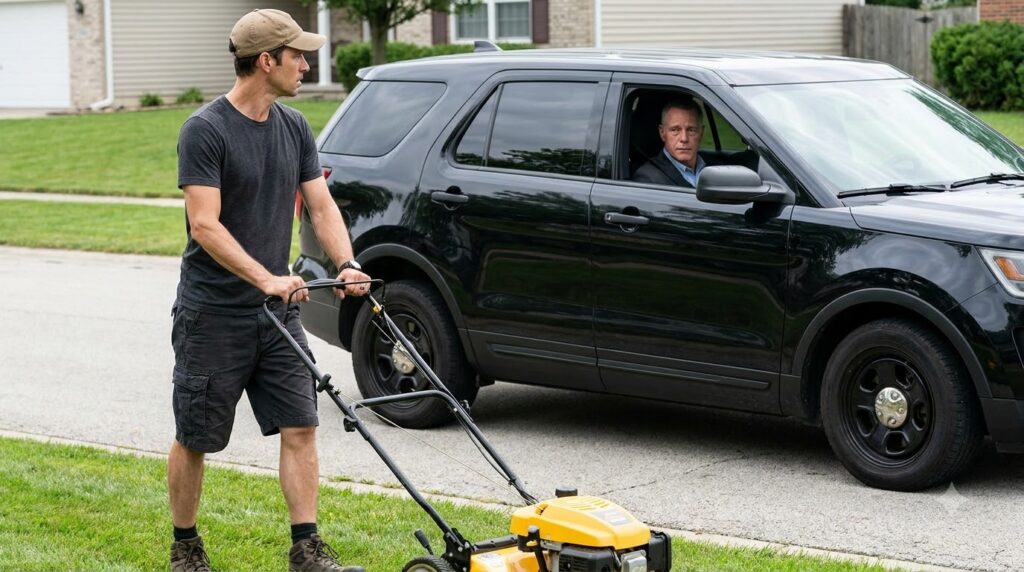
I eased the rust-pitted utility door open two inches, waiting in the shadow of the concrete stairwell behind the township annex. The evening air carried the sharp tang of wet asphalt and cooling gravel. Inside, the corridor smelled of damp concrete, old mildewed paper, and stagnant ventilation. No alarm klaxon sounded. No strobe tripped. The driver in the unmarked cruiser hadn’t lied about the access point, which only made the trap feel cleaner, narrower, and more dangerous.
I slipped through the threshold and pushed the heavy iron door back until the latch caught without a click.
The records vault was buried beneath the municipal tax assessor’s offices, lit only by the green emergency exit lamps humming above the bulkhead. Rows of olive-drab steel filing cabinets stretched into the darkness like iron monoliths. The floor was rough, unsealed concrete that soaked up the sound of my rubber soles as I moved along the center aisle toward the historical plats section.
According to the blue registry card, parcel 404-B was cataloged under the 1994 Reservoir Annexation drawers.
My fingers traced the cold steel handles of cabinet 14 until I found the drawer stamped DRAINAGE EASEMENTS & PUBLIC SURPLUS. The drawer glided out on oiled bearings with a faint, metallic hiss. Inside, hundreds of manila folders sat packed tight, their tabs gray with age and dust.
I pulled the file labeled VANCE — TRACT 9.
The cardboard folder was unnaturally thin. I flipped it open beneath the pale green glow of the emergency light. The original parchment survey map—the one bearing the official township wax seal and my grandfather’s signature—was gone. In its place was a crisp, freshly printed county tax lien notice dated three days ago, marked with a scarlet EMINENT DOMAIN FORECLOSURE stamp.
Stapled beneath it was a commercial land transfer deed assigning the entire twelve-acre homestead to a private development syndicate registered under a blind post-office box in Wilmington. The purchase price listed was zero dollars, processed as a municipal blight forfeiture.
The pieces snapped together with cold, predatory clarity.
The aging driver in the cruiser wasn’t running a rogue operation. He was the enforcement arm of an orchestrated land-grab, clearing out legacy owners along the aquifer before the commercial zoning reclassification went public. The warning at the curb hadn’t been a mercy; it was psychological conditioning meant to make me pack up and run before the eviction paperwork was officially logged into the county register.
I dug deeper into the metal drawer, shoving aside the false divider plate.
Tucked into the narrow dead space behind the metal follower block was an older, unindexed record book bound in black canvas. The spine had been severed with a utility razor, and several inner leaves were partially charred, as if someone had hastily fed them into an incinerator before pulling them back out.
I opened the scorched canvas binder.
There were no plat diagrams. There were no zoning variances. The yellowed pages contained dense columns of typewriter script listing seven-digit federal case file numbers, relocation dates, and state protection vouchers from 1988—every single entry cross-referenced to the families living along my residential loop. My mother’s maiden name didn’t appear as a landowner. It was indexed as a Primary Handler.
The sound of a heavy hydraulic door closer echoed from the upper stairwell.
A pair of hard leather heels hit the concrete steps above, deliberate and slow. The overhead fluorescent strips in the main hallway hummed to life with a sudden buzz, casting long, stark shadows across the rows of filing cabinets.
A voice drifted down through the iron grating, flat and dry. “You found the deed, didn’t you?”
It wasn’t the driver. It was a younger, lighter cadence—a precinct detective or an assessor’s investigator who had been waiting for the basement door to open all night.
“Put the folder down,” the footsteps paused at the bottom of the stairs, the silhouette blocking the only exit to the alley. “The land was sold forty-eight hours ago. Whatever you think you’re holding, it belongs to the township now.”
I didn’t answer. I slid the scorched canvas binder under my dark utility shirt, gripped the steel handle of the heavy filing drawer, and prepared to close the distance.